








Backblaze, a backup company that currently stores more than 1 exabyte of data, and therefore has considerable experience with hard drives, periodically publishes its drive statistics, which have some helpful numbers to consider.
Unfortunately, what jumps out of that data is that longevity varies more by model than by manufacturer. That said, I suggest sticking with known names like Seagate and Western Digital. Still, even brand-name drives fail. I had a big-brand-name drive fail on me once and it was only four months old. What you get by sticking with the brand names is good customer service. In my case, the company replaced the drive without question.
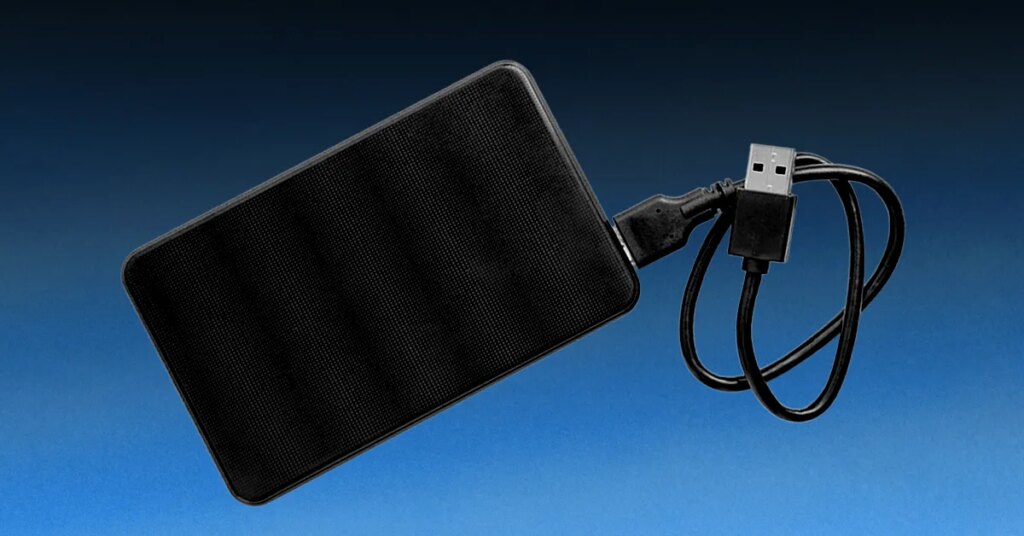
Even within brand names, some external storage drives are better than others. Several of us here on the Reviews team have had good luck with Western Digital hard drives. I like the 8-TB model above, but if you want something smaller and more portable, the 5-TB My Passport Ultra has also been a reliable drive in my testing.
One nice thing about buying a drive for backing up your data is that you don’t need to worry about drive speed. Even a slow 5,400-rpm drive is fine. These slower drives are cheaper, and since the backup software runs in the background, you probably won’t notice the slower speed. That said, I now keep two external hard drive backups: one on a traditional spinning drive and one on a more expensive SSD flash drive. A traditional spinning drive and SSD, even if purchased at the same time, are extremely unlikely to simultaneously fail.
Get the largest backup drive you can afford. Incremental backups—which is how all good backup software works—save disk space by backing up only the files that have changed since the last backup. Even so, you need a larger drive for backups than whatever is on your PC. A good rule of thumb is to get a backup drive that’s two or even three times the size of the drive in your computer.
A good backup system runs without you needing to do a thing. There shouldn’t even be a backup process; it should just happen automatically. If you have to make a backup, you probably won’t. That’s when the phrase “data loss” will enter your life.
These days, there is software that can automate all of your backup tasks so you only need to do the configuration once, and never have to worry about it again. As with checking disk health, the backup automation tools vary by operating system (and if you’re worried about mobile data, keep reading, we’ll get to that below).
Mac users should create automatic backups using Time Machine. It’s a wonderfully simple piece of software and possibly the best reason to buy a Mac. Apple has good instructions on how to set up Time Machine so it will make daily backups to your external hard drive. Time Machine is smart too; it will back up only files that have changed, so it won’t eat up all your disk space.
Source: www.wired.com