








BAFTA has revealed the outcome of the independent review into the N-word controversy that erupted at its recent film awards on Feb. 22., which it said revealed a “number of structural weaknesses in BAFTA’s planning, escalation procedures and crisis coordination arrangements,” but no evidence “malicious intent.”
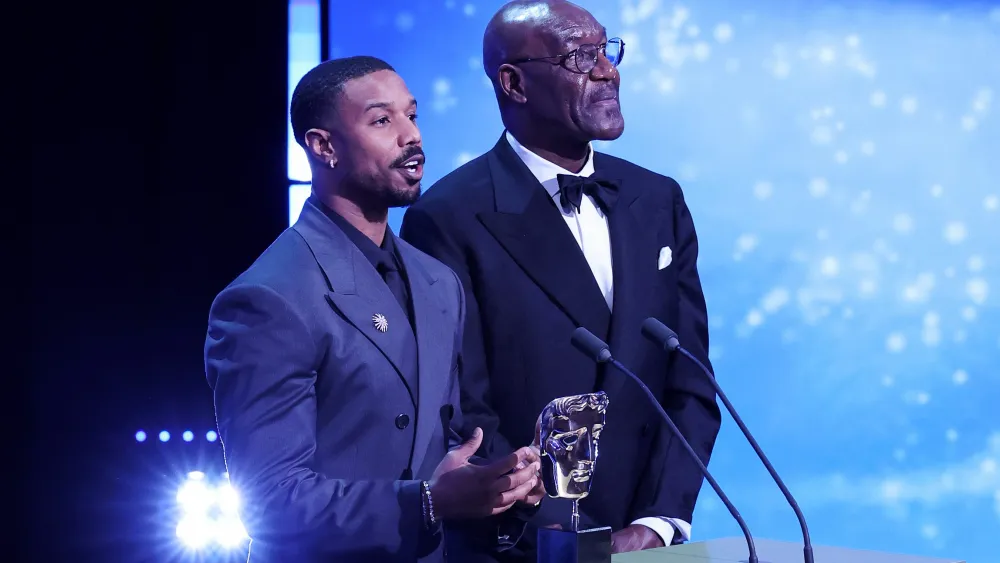
The incident — which came to significantly overshadow the 2026 awards ceremony — saw John Davidson, the Tourette syndrome activist and inspiration for the film “I Swear,” involuntarily shout the racial slur while Michael B. Jordan and Delroy Lindo were on stage to present the first award of the evening.
An intense wave of anger followed the incident, much directed at the BBC after it aired an edited version of the ceremony that failed to cut out the racial slur, despite having a two-hour delay. But BAFTA also came under extreme criticism, most notably for its handling of the situation and for its immediate response, which saw host Alan Cumming ask for “understanding” from the audience of the symptoms of Tourette’s. basically, many were upset that its initial reaction was to prioritise providing context rather than seeing to the immediate needs of Jordan, Lindo and other Black people in attendance.
“The review is clear that while this was not a failure of intent, BAFTA’s planning and processes have not kept pace with its diversity and inclusion goals,” BAFTA’s board of trustees said in statement. “We did not adequately anticipate or fully prepare for the impact of such an incident in a live event environment and as a result our duty of care to everyone at the ceremony and watching at home fell short.”
BAFTA said it “apologizes unreservedly” to both the Black community, “for whom the racist language used carries real pain, brutality, and trauma” and to the disability community, “including people with Tourette Syndrome, for whom this incident has led to unfair judgement, stigma, and distress,” alongside its members, guests at the ceremony and those watching on TV.
“What was supposed to be a moment of celebration was diminished and overshadowed. We have written to those directly impacted on the night to apologise,” it added.
The statement — sent to BAFTA members — noted that work was “already underway” to address recommendations in the review to “reduce the risk” of a similar incident happening again.
“First, we are improving escalation processes and the chain of information sharing around our Awards ceremonies. Second, we are strengthening how we plan for and deliver access, inclusion and support at our events to adopt a broader intersectional approach so that the needs and experiences of all are properly considered in advance. Third, we are addressing any internal cultural gaps or lack of knowledge that may prevent BAFTA from meeting its commitment to diversity, equity and inclusion across all our work.”
The day after the awards, BAFTA issued a public statement asserting that it took “full responsibility” for putting its “guests in a very difficult situation and we apologise to all.” In a letter to BAFTA members on Feb. 24 from BAFTA Chair Sara Putt and CEO Jane Millichip, they said they wanted to “acknowledge the harm this has caused, address what happened and apologise to all.”
The results of the BAFTA review comes more than a month after the BBC revealed the results of its own internal investigation into the incident. Answering questions from the U.K. government’s Culture, Media & Sport Committee, director-general Davie said that the BBC’s “initial evidence gathering” found that no-one in the on-site broadcast truck heard Davidson’s initial utterance of the N-word when they were watching the live feed.
but, he noted that a second outburst of the word occurred while Wunmi Mosaku accepted her best supporting actress award, which they did hear and remove. Davie claimed that the error occurred when the edit team began receiving reports — including from BAFTA — about a racial slur, and assumed it to be the one they had already removed. He said the incident was a “genuine mistake.”
Earlier this week, the BBC’s own executive complaints unit ruled that its broadcast of the BAFTA Film awards was a “clear breach” of the network’s editorial standards, but was “not intentional.”
See the full conclusion of the independent review by RISE Associates below:
This review was commissioned following an incident during the 2026 ceremony that caused understandable distress to attendees, viewers and staff. The circumstances involved a complex intersection of disability, live broadcast risk and the use of language with a profound and painful historical context.
It is therefore important to recognise both the sensitivity of the situation and the genuine impact it had on those who experienced it. The review did not find evidence of malicious intent on the part of those involved in delivering the event. but, it did identify a number of structural weaknesses in BAFTA’s planning, escalation procedures and crisis coordination arrangements. In particular, the organisation did not fully appreciate the nature of the risk associated with a live broadcast appearance, early warning signs were not escalated, and the absence of a clear operational command structure limited BAFTA’s ability to respond effectively once the incident occurred.
The incident also highlighted a broader challenge for organisations seeking to deliver inclusive public events: the need to balance accessibility for participants with the safety and dignity of others in the room and watching at home. Inclusion planning must therefore consider not only the needs of an individual participant but also the wider context in which participation takes place.
The recommendations set out in this report are designed to address these issues in practical and proportionate ways. They focus on strengthening briefing processes, improving escalation and communication structures, clarifying operational leadership during live events and supporting the organisation’s recovery following the incident.
BAFTA remains a respected institution with a strong commitment to inclusion and to the global creative community. We acknowledge the wide-ranging reforms that have been introduced to improve diversity, inclusion and representation. But these reforms do not shield BAFTA from criticism. No institution sits above scrutiny. The nature of this incident justifies careful review.
but, it would be wrong to describe the event as evidence of institutional racism, as this misses an important point. Institutional racism means that racial bias is built into systems, policies, and culture. In such systems, discriminatory outcomes appear regardless of individual intent. The available evidence does not support that conclusion here. Instead, the evidence suggests something different. BAFTA’s planning and risk governance systems have not kept pace with its diversity goals.
The issues identified in this review are therefore best understood not as a failure of intent, but as evidence that existing systems were not sufficiently robust for the complexity of a modern live broadcast environment. With clearer structures, stronger communication practices and more comprehensive planning, similar risks can be significantly reduced in future.
Source: variety.com