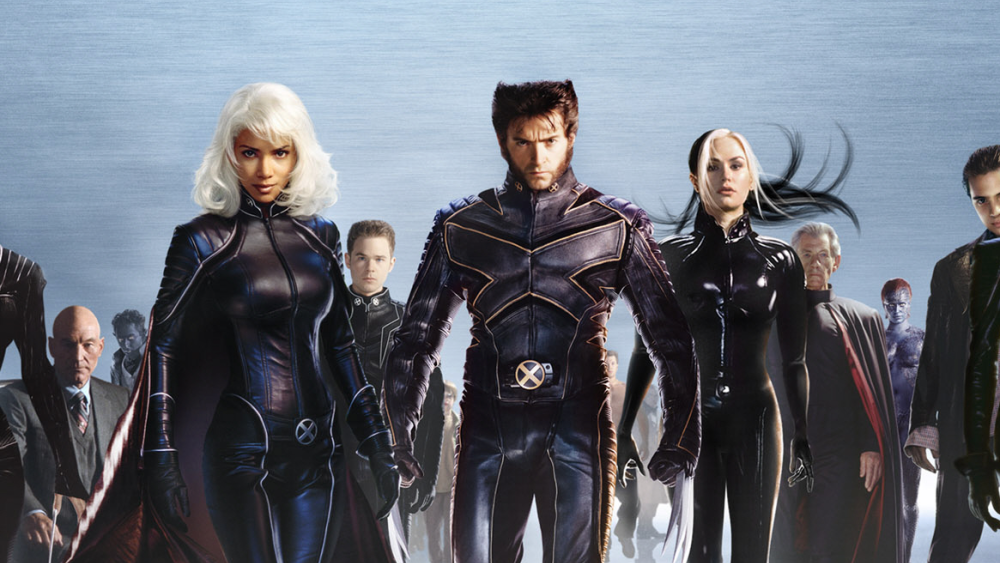









“All Heroes Are Bastards,” new series about migrants who gain superpowers and fight against injustice, was born out of frustration.
“We made this series because we felt very powerless. We wanted to build a world where we had the power,” said Esra Phul. She directed and produced the show for Picture Me Rollin alongside Patrick Phul.
“If we don’t tell these stories, no one will. As people from a minority, we can no longer rely on politics, the police or the press, which should challenge institutions but instead acts as their PR machine. So what’s left? This industry, because that’s where we get a chance to speak up.”
yet, in Germany, the industry still “adds fuel to the fire.”
“I attended a panel called ‘Up Next: Germany,’ and HBO Max presented two series. Both were about criminal immigrants, and one was a prequel to ‘4 Blocks,’ which has been very damaging to our community. The Berlin police allegedly used it as a material for their trainees to show them who they would see on the streets.”
“It was really hard, and we left the room. I can’t stand it anymore and that’s how this series came to life: because of our anger. We suffer because of these shows. We’re good producers, we’re successful, and it’s important that we tell them what they’re making.”
Speaking during Berlinale Series Market panel “Rebel Rebel: Series Battling the Status Quo,” she added: “Wiedemann & Berg Film and HBO Max portray my people as criminals. We chose to show them as they are: as superheroes.”
The creators of eco-thriller “Phoenix” spent four years developing the show and interviewing activists, legal experts and political observers to ensure young climate activists were portrayed “responsibly and with nuance,” noted Philipp Kreuzer, CEO at Maze Pictures.
“We’re not trying to excuse radicalism, and we’re certainly not celebrating it. What interested us was the moral dilemma: the moment when people who believe they’re doing the right thing cross a line. This inner conflict hasn’t often been explored in depth.”
Kreuzer, a lawyer, followed the legal team during the International Automobile Fair in Munich, which was met with large-scale protests.
“When you meet many of the activists, you realize they’re educated, committed, and often deeply thoughtful people. At the same time, you sense a certain helplessness. When political or economic systems don’t seem to respond, frustration can intensify. Understanding that dynamic doesn’t mean endorsing radicalization, but if we want to prevent it, we have to understand how it develops.”
Entertaining shows can reach people who wouldn’t normally be interested in politically charged subjects.
“When I was growing up, one of my favorite shows was ‘The Fresh Prince of Bel-Air.’ It made me laugh, but it talked about important topics like Black history, identity and injustice,” said Patrick Phul.
“With ‘All Heroes Are Bastards,’ on the surface, it’s about action and superheroes, but it talks about real-life issues. We want to reach people who don’t deal with these topics every day.”
The superhero genre made it easier.
“There are some exceptions, like ‘Black Panther,’ but when you think about ‘Iron Man’ or ‘Batman,’ these heroes are billionaires. In real life, billionaires are usually the bad guys. In ‘All Heroes Are Bastards’ we try a different approach, but you still know who the villains are. To reach people, you can’t be too abstract.”
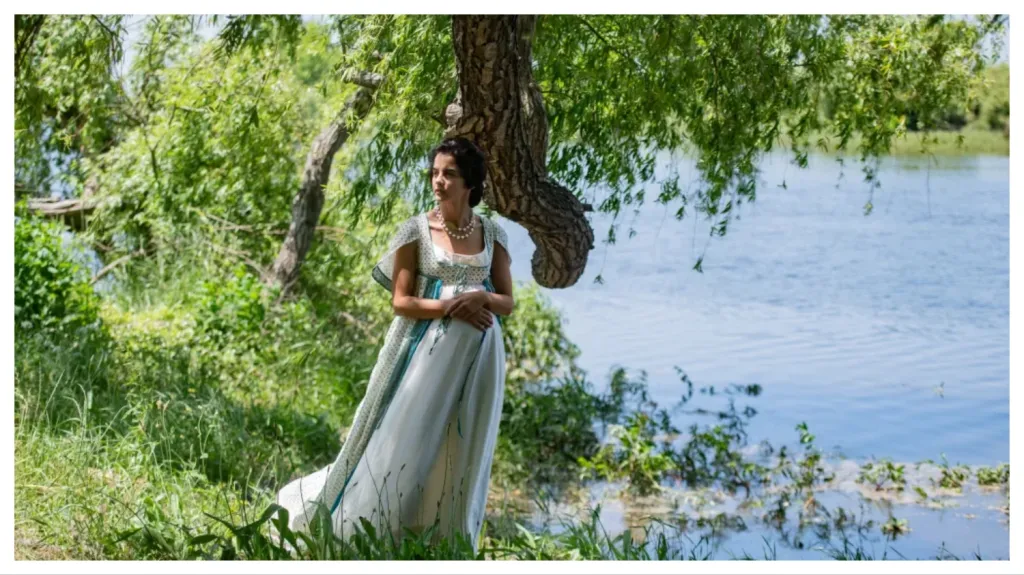
According to Pandora da Cunha Telles, the creator of “The Marquise,” characters that question the status quo are exactly what the world needs right now.
“It’s obvious that there needs to be a rebellion,” she said, mentioning that many women are still “trapped in small violences” from which they cannot escape. The protagonist of “The Marquise” is stuck in a convent in the 18th century.
‘The Marquise’
Ukbar Filmes
“The message for someone trapped in her life is that she has the power to be a rebel and a leader. It’s not just the politicians – each one of us can change something in our lives. Creating female characters that are not black-and-white helps contemporary viewers understand that.”
Making sure women were on both sides of the camera was also crucial.
“In Portugal, it’s still hard to put female creators in charge of shows. One of the biggest challenges is empowering scriptwriters and creators. In our show, we depict women enjoying cakes and long erotic scenes. In the editing room, we heard: ‘Aren’t they too long?’ Would you ask the same thing if a man was leading these scenes? It was one of the shows I worked on with more women, and it was a whole new ballgame.”
“All Heroes Are Bastards,” “Phoenix” and “The Marquise” were all presented at the Berlinale Series Market Selects.
Rebellious characters can scare decision-makers. “Phoenix” ended up being a part of a public inquiry in France.
“It was striking to see our series discussed in parliament. In a country with such a strong tradition of political art and debate, that shows how sensitive these topics have become. But perhaps that’s not a bad thing. If a story doesn’t create discomfort, maybe it isn’t engaging deeply enough,” said Kreuzer.
In today’s polarized climate, content creators should try to represent all parts of our society, including those who feel unheard or “who vote differently from how we might expect.”
“Ignoring that frustration won’t make it disappear. Fiction can create space for understanding without necessarily agreeing.”
National broadcasters have a huge responsibility when it comes to inspiring change, stated da Cunha Telles, with Kreuzer calling Europe’s public broadcasting model ‘worth defending’.”
“It allows fiction to engage seriously with political and social questions. Commercial systems often prioritize different pressures, but our model provides space for stories that aren’t purely market-driven, and that space is valuable.”
Patrick Phul admitted that broadcaster ARD Degeto Film motivated them to “be real.” But getting a seat at the table wasn’t easy.
“We come from YouTube and we didn’t know anyone in this industry. We were lucky because someone with an immigration background opened the door for us,” said Esra Phul. Previously, the duo created “Hype.”
“We also built our own awards show, Talent Over Privilege. It’s very, very difficult for people like us to enter these rooms.”
Still, they did. And so can others.
“There are those in the industry who recognize good stories and give people a chance,” said Patrick Phul.
“Don’t give up.”

‘Phoenix’
Maze Pictures
Source: variety.com