









The microdrama industry is moving fast — sometimes from concept to camera in 48 hours — and the executives building it say Hollywood is only beginning to pay attention.
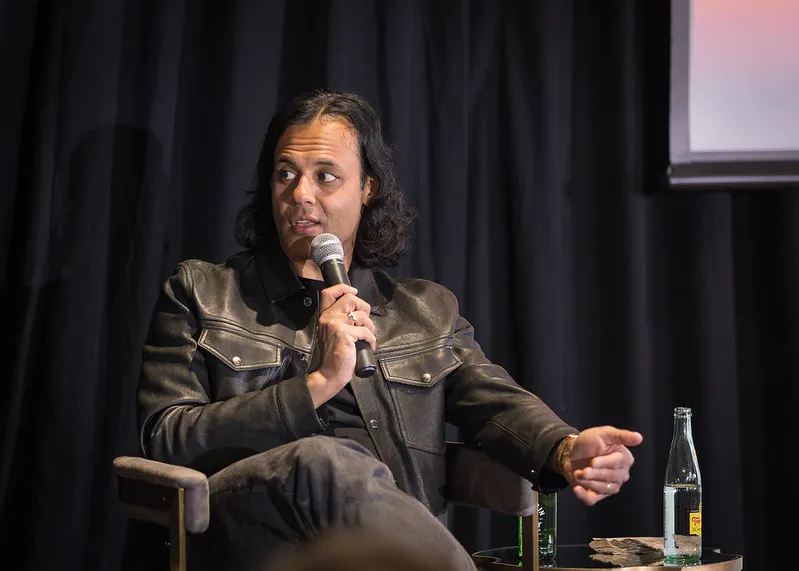
At a Hollywood Radio and Television Society Associates panel held Thursday evening on the Warner Bros. lot in Burbank, four veterans of the vertical drama space broke down what makes the format tick, who is actually watching and where it is all headed. The group included Susan Rovner, former NBCUniversal executive who is now chief creative officer of MicroCo; Matthew Ko, CEO of Knockout Shorts; Silas Wang, head of talent and brand partnerships at DramaBox and Vivian Anan Wang, head of content at Crisp Momentum. Fox Entertainment Studios’ Sara Chiang-Pistono moderated the hourlong session.
The biggest misconception about microdramas, the panelists agreed, is who is consuming them. The core audience is not teenagers. It is largely women between 30 and 60, a group that has been quietly underserved by traditional media for years. “There is a really big fandom here that needs to be respected,” said Rovner, who spent decades Warner Bros. Television. “I get really mad when the fandom is not respected.”
Rovner’s pitch for MicroCo centers on converting what is known as “doom scrolling” into something more nourishing. “Swiping is a habit we all have now, period, end of story,” she said. “Part of what we want to do is start joy scrolling for whoever comes.”
The company is continuing to expand beyond romance into horror, anime and unscripted content while preserving the format’s structural backbone: a three-second hook and tight act breaks. MicroCo was founded last August by investors Chris McGurk and Lloyd Braun. Rovner joined the company in October and works alongside CEO Jana Winograde, who is an alum of ABC and Showtime.
On AI, the panel was cautious but clear-eyed with Rovner acknowledging the industry must, “figure out how to embrace it.” As Anan Wang reframed it, “You can use any cookware to make your stew, slow cooker or Instant Pot. But eventually, who comes to eat and how long they stay will decide where this is going.”
For emerging writers and actors, the format is opening doors that traditional Hollywood has been closing. “For the first time in their lives, they’re able to work as working actors without waiting tables,” said Wang of DramaBox. “I think that’s just beautiful.”
Source: variety.com