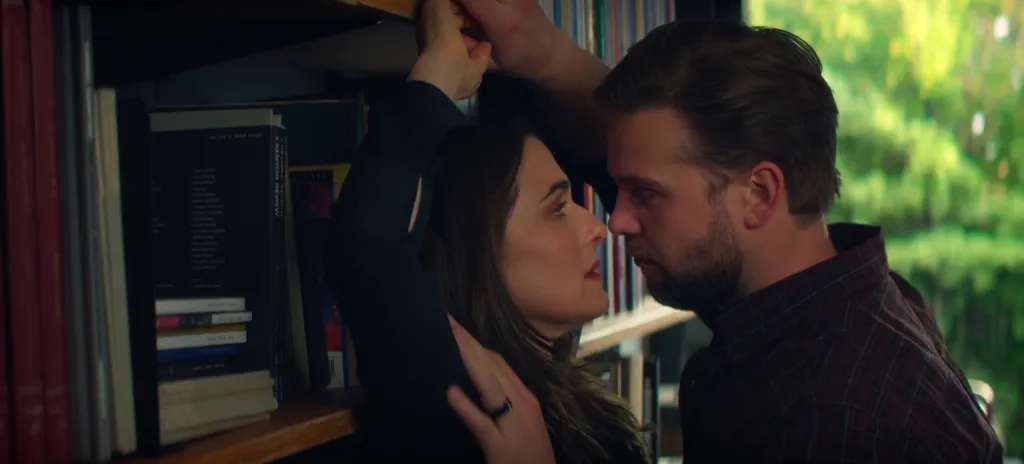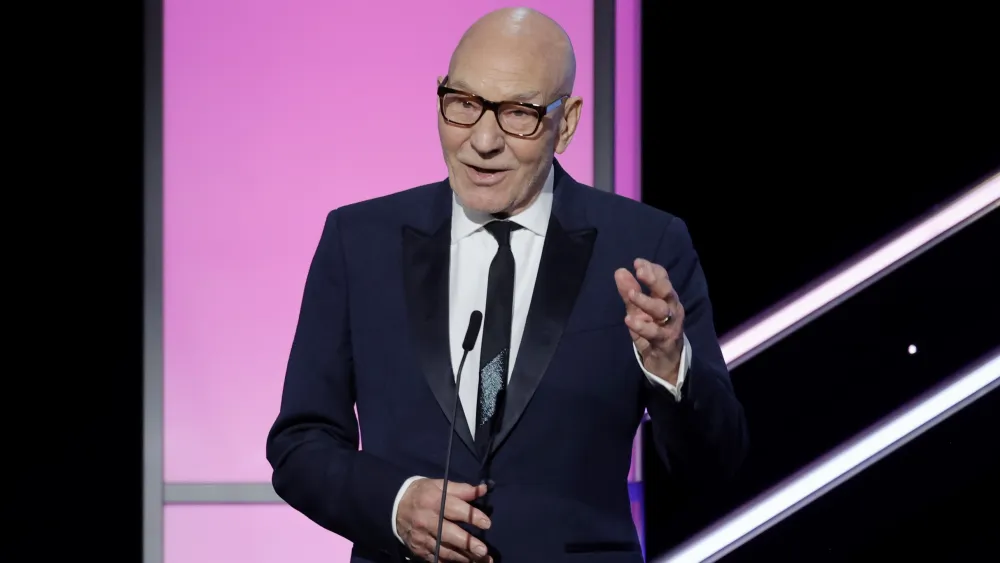









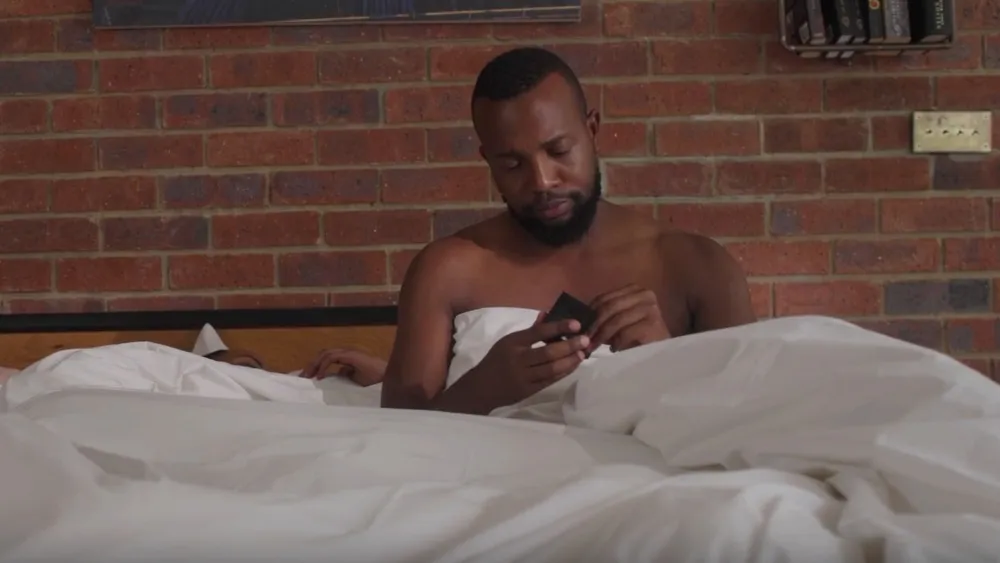
In “Ngwato,” the story of a young, gay black South African man, travelling from the city back to his ancestral village to tell his parents he’s getting married to a man and seeking their blessing for the union, is not just a queer depiction on-screen but of the relationship breakdown between sons and fathers.
“Ngwato,” written and directed by Magangwe Mahlase, is having its premiere this week at the 8th Joburg Film Festival in Johannesburg, South Africa.
Produced by Kevin Moeketsi through Ongamavile Pictures with support from South Africa’s National Film and Video Foundation (NFVF), “Ngwato” is sure to make for some uncomfortable seat-adjusting, at least from some cinemagoers.
Starring Gifter Ngobeni, Collen Modise, Molobane Maja, Mpho Molepo, Bathabile Mashigo and Ray Neo Buso, “Ngwato” follows a young, gay man who returns home and becomes part coming-out story and part father-son story.
Of course, the arrival of a gay son, working as a fashion designer, who upends family and village traditions once the news leaks among the villagers, leads to tensions and is being used by a tribal elder to try and push Ngwato’s dad, Lesiba, out of his leadership role.
“The idea for the film came about after looking at the current South African men and their sons. I realized that a lot of men don’t have a relationship with their fathers. Previously, kids would follow in their dad’s footsteps, work on the farm in the village and bond. Many sons no longer have those strong relationships with their fathers.”
“I used the idea of the son being gay and the village discovering it, leading to people who say the father now can’t be seen as an advisor to the village chief, as the conflict point leading to an exploration of the existing breakdown and strained relationship over years between father and son.”
Ngwato, a Sepedi-language film, was lensed over two weeks during February 2024 in Matibidi in South Africa’s Mpumalanga province.
On choosing to highlight a new and still little explored issue besides just the gay son and estranged father dynamic, the 34-year-old Mahlase tells Variety that “in South Africa and across Africa a lot of people still face that.”
“It still hasn’t changed. In many communities, far from Johannesburg and the bigger cities, it’s still when kids return home to their families that there are cultural and other clashes and that’s why we picked that issue.”
“Shooting in Matibidi, we had to transport most of our crew to Mpumalanga and when we got there, the logistics of everything – accommodation for the actors and travel – were a challenge. But we were adamant to work with a Pedi crew and Pedi-speaking actors to make the film.”
“We had to find Pedi-speaking actors who were really good and audition. Then, when we started filming, we worked with service people who were not accustomed to film production. But we wanted to bring people in who have never had opportunities.”
Mahlase said South Africa’s film biz, although doing lip-service to transformation and opening up the industry, often sacrifices patience and waiting to find people to show and be the change practically, for the sake of speed, efficiency and production costs.
“I grew up around Pedi people and the world of their stories. The most important thing for me in transformation is telling your own stories. There are so many stories in the villages still left untold. And we don’t tell stories physically in the villages. We just recreate villages on sets in Johannesburg and in the cities.”
“For transformation to happen, we have to sacrifice the temporary satisfaction of production for long-term gain. Filmmakers just think, ‘Let’s shoot in Soweto and it’s quick, and we’re done.’ But if you have to sacrifice, scratch for real solutions, that’s where transformation happens,” he says.
“Only the top five cast are from Johannesburg. Everyone else on screen are from the village – all the men, all the villagers, even the guy acting as a homeless man, are all locals.”
From the outset, Mahlase explains he didn’t just want to contrast the lives of the son and the father but also the city life where the son lives and the rural vista where the parents live and the son came from.
“The city is hustling and bustling, in the village it’s slow. You get a better chance to reflect, to figure out life. The village gives more time to rediscover, whereas the city is about chasing work and deadlines. So we were intentional about separating and juxtaposing those two worlds.”
Ngwato contains several intense and emotional scenes – including a physical beating of the son by others, and the mom telling the dad to leave the house.
“The first highly emotional moment is when the son tells the dad that he’s gay. The second is where the mom kicks the dad out – it’s beautiful because that’s where he says, “All I’ve ever wanted was to make you proud, but every time I try it’s like I’m moving backwards and you don’t even allow me to be seen.”
“I think a lot of young men desperately want their fathers’ attention and their fathers’ love and acceptance and recognition – whether gay or not – and they’re not getting it.”
“The last scene is when the dad comes back and gives his son a hug. That’s what we need. We need a hug from our dads but we so seldom get those.”
“Ngwato” ends with a twist and breaks the trope of “happily ever after” in the son’s journey of self-discovery. Once he returns to the city and reunites with his partner after getting his parents’ blessing for marriage, he comes to a new realisation that might also surprise viewers.
“When I wanted to go study filmmaking, my mother said, ‘No, my son, you should go into mining because it pays better and look at your cousins, they’re working at the mine and they have money.”
“But I sat her down, and I said I can go and be a miner, but deep down, I still have that desire. So I can either go and do what you want and eventually quit, or do what I want. And she said, ‘Okay, it’s fine, go be yourself.’ My message to young African filmmakers is stick to your guns.”
“It doesn’t matter if the industry – like the film industry anywhere in Africa – is difficult or suffering. Look at examples from sport, music, acting – the people who decided that there’s nothing else they want to do except that and who were willing to put in the work to make their dream a reality.”
About making “Ngwato,” Mahlase calls it a “personal recollection and introspection of myself, put on screen.”
“I didn’t grow up with a dad. He died when I was younger. When I was writing ‘Ngwato,’ I placed elements in the film of what I’ve wanted from my father. If my father were here, I would have wanted him to give me a hug. I would have wanted him to say to me, ‘Everything’s going to be fine, you’ve got this, my boy.’”
“I wrote it from the perspective of a man who didn’t have a relationship with my father. And if I had a relationship with my father, these are the things that I would have wanted from him.”
Source: variety.com