








When Miroslav Terzić was writing his new film back in 2023, titled “3 Weeks After,” there was a mass shooting at a Serbian school, the country where the director was born.
“It was terrible when you realize what you are writing, it’s happening somewhere right now — it’s not a film, it’s real life,” Terzić tells Variety of his third feature, which was co-produced by Serbia, Bulgaria, Italy, Croatia and Luxembourg.
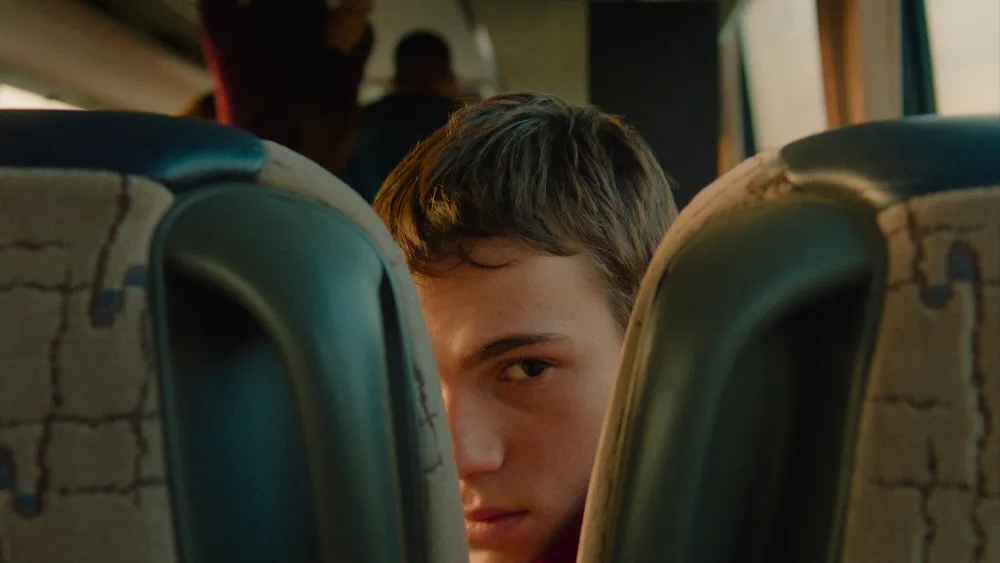
Inspired by true events and dedicated to Aleksa and Mahir, two young boys who died by suicide one year apart, “3 Weeks After” is set to premiere at the Karlovy Vary Film Festival on July 7 as an official Crystal Globe Competition selection. Written by Terzić, Vladimir Arsenijević and Bojan Vuletić, the film follows a school trip to the Bulgarian mountains three weeks after a classmate, Andrij, dies by suicide, leaving his best friend, Tsosta (Jovan Ginić), grieving and vulnerable at the hands of his apathetic classmates and powerless teachers.
“The teachers start to behave normally, and then we realize that the film is not about bullying, but about violence that became the everyday language of young people,” Terzić says. “Three weeks after is not enough time to process all of these things, and especially for young kids. We discussed [with the actors] how when tragedy happens, life must move on. But oftentimes nothing truly changes.”
To cast the group of 24 kids, Terzić met with over 500 different actors, and wound up choosing mostly non-professionals. Instead of having them read lines, Terzić simply asked about their experience at school.
That was when Terzić realized how close the story hit home for many of them: “There were two young people who told me they are villains in that peer violence. They are very mature thinking about that, realizing what they did when they were young. And now when they see violence, they interfere.”
When acts of violence occur on screen in “3 Weeks After,” such as when Tsosta gets kicked to the point of bleeding on the side of the road, cinematographer Damjan Radovanović remains at a distance — a choice informed by Terzić’s focus on the people in society who stay “neutral” and choose “not to interfere” during times of crisis.
“You can compare to today how we watch violence — from the side, from above, on our phone. There is some kind of space between that is protecting us and the violence itself. Violence becomes spectacle, something that is fun to watch. And then we realized this is our language of the film,” Terzić says. “When I realized I had kids that can work together, we started to shoot long takes and started to improvise.”
In Bulgaria, where the film takes place, Terzić says conversations about suicide often happen far too late. And with “3 Weeks After” world premiering in the Czech Republic, he will get to see first-hand how different audiences resonate with the mature themes.
“We are already in some kind of fire, but we don’t realize. We don’t notice the fire. We somehow stay immune because everyday language is the language of violence,” Terzić says. “If someone will get out of the cinema and think about the movie, it would be a very good starting point. Maybe someone will take some kind of action.”
If you or anyone you know is having thoughts of suicide, please call the National Suicide Prevention Lifeline at 988 or go to SpeakingOfSuicide.com/resources.
Source: variety.com